
๐Ÿ“ž Call for a Free Quote: 772-291-5749

Storm & Hurricane Damage Restoration in Tampa, FL

Storm-damaged homes with a torn-off roof and debris scattered across the yard after a hurricane

Tampa Bay's surge risk is unusual โ€” the bay's shallow, gradually narrowing shape lets storm-driven water pile up instead of dissipating, which is why storms that make landfall well outside the bay, like Hurricane Helene in 2024, can still push record surge into low-lying Tampa Bay neighborhoods. We respond to storm-driven water damage in every form it shows up here: surge flooding in South Tampa and the Bayshore corridor, wind-driven rain intrusion through damaged roofing and window seals, and the flash flooding that follows a slow-moving system dropping a foot of rain in a day.

Our crews prioritize storm-response calls by severity and document conditions thoroughly with photos and moisture readings from the first visit, since storm-related insurance claims tend to get more scrutiny and benefit from clear, contemporaneous records.

We're a licensed, local Tampa company โ€” not an out-of-state crew that shows up for a few weeks after a hurricane and disappears. Florida's DBPR has actively pursued unlicensed "storm chasers" working the Tampa Bay area after recent hurricanes, and we'd rather you know upfront who you're calling.

๐Ÿ“ž Call 772-291-5749

Request This Service

* Indicates required field

Why Tampa Bay's Shape Makes Surge Risk Unusual

Tampa Bay's shallow, gradually narrowing shape lets storm-driven water pile up rather than dissipate the way it might along a straighter coastline, which is why a storm making landfall well outside the bay โ€” like Hurricane Helene in 2024 โ€” can still push record surge into low-lying neighborhoods along South Tampa and the Bayshore corridor. We treat surge risk here as a distinct hazard from ordinary heavy-rain flooding.

Surge, Wind-Driven Rain, and Flash Flooding Are Different Jobs

We see storm damage show up three distinct ways here: surge flooding that pushes bay water into ground floors, wind-driven rain intrusion through damaged roofing and window seals during the storm itself, and flash flooding from a slow-moving system dropping a foot of rain in a day. Each has a different contamination profile and a different documentation need, so we scope them separately even when a single storm causes all three.

Verifying Who You're Hiring After a Storm

Florida's DBPR has actively pursued unlicensed "storm chasers" working the Tampa Bay area after recent hurricanes โ€” crews that show up for a few weeks and disappear before warranty issues surface. We're a licensed, local Tampa company, and we document conditions thoroughly with photos and moisture readings from the first visit, since storm-related claims tend to get more scrutiny and benefit from clear, contemporaneous records.

How We Triage Calls During an Active Storm Event

During and immediately after a named storm, call volume across the Tampa Bay area spikes fast, and we triage by severity rather than working strictly first-come, first-served. Active flooding in an occupied structure, a building with vulnerable residents, or a commercial property with ongoing operations move to the front of the queue ahead of a slow leak that can safely wait a day. We keep affected customers updated on realistic timing rather than leaving them guessing, since we know a storm-response call often comes with genuine uncertainty about when help is coming. When conditions allow, we pre-position extra crews and equipment ahead of a confirmed storm track so extraction can start the moment it's safe to be on the road again, rather than starting the mobilization process after the storm has already passed.

The Documentation Storm-Related Claims Actually Need

Storm damage claims get more scrutiny than a routine burst-pipe claim, partly because insurers know storm events produce a mix of legitimate large losses and, occasionally, damage that predates the storm being retroactively attributed to it. We document conditions with dated, timestamped photos from the first visit, moisture readings tied to specific rooms, and a written scope explaining what we found and why we're recommending the work proposed. That level of contemporaneous detail is the single biggest factor we've seen in whether a storm claim moves smoothly or turns into a drawn-out dispute. We keep this documentation on file well after the job closes, in case a question comes up during the claims process weeks or months later.

Wind-Driven Rain, Roof Failure, and Surge Aren't the Same Job

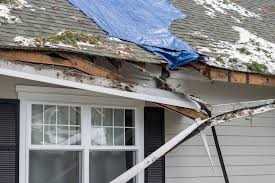
A storm can produce three distinct kinds of water intrusion in the same event, and we scope them separately even on a single property. Wind-driven rain forces water through window and door seals and lifted roof edges during the storm itself, often with no visible structural damage to explain where the water came from. Roof failure โ€” a torn-off section, a punctured deck, missing shingles โ€” lets rain in for as long as the damage goes unrepaired, meaning the water intrusion continues well after the wind dies down unless a tarp goes up fast. Storm surge is a different category entirely: bay or gulf water pushed into ground-floor living space, generally requiring Category 2 or 3 handling depending on what the water picked up on the way in. Getting the type right at the start determines the equipment, the drying approach, and the disposal decisions for the rest of the job.

Before We Arrive: What Actually Helps and What Doesn't

If it's safe to do so, shutting off electricity to an actively flooding area and moving valuables and furniture away from rising water are genuinely useful steps that don't require any special equipment. What we'd discourage is wading into standing water of unknown depth or contamination level, especially after a surge event, since floodwater picking up storm drain and sewer contamination is common and not something you can identify by looking at it. We'd also discourage running a shop vac or box fans as a substitute for professional extraction and drying โ€” it can create a false sense that the problem is handled while moisture keeps working its way into materials underneath. If you're able to safely photograph standing water and visible damage before anything gets moved, that documentation is genuinely useful for your claim later.

Coordinating With Roofers and Contractors on Full Storm Rebuilds

A serious storm loss often involves more trades than just us โ€” a roofer for the actual roof repair, a general contractor for structural rebuild, and us for extraction, drying, and interior water mitigation. We scope our portion of the work with those timelines in mind, since drying a space that's still actively taking on water through an unrepaired roof is a losing battle that just runs up equipment time without fixing anything. On larger storm rebuilds we'll coordinate scheduling directly with the roofer or GC so our drying phase starts once the source is actually addressed, rather than working in isolation and hoping the timing works out.

Areas We Serve

Proudly providing water damage restoration across the region:

Get Storm & Hurricane Damage Restoration in Tampa Today

Fast response, upfront pricing, and friendly local pros. Call now for a free quote.

๐Ÿ“ž Call 772-291-5749