Tampa Bay is one of the most storm-surge-vulnerable metro areas in the country — the bay's shallow, funnel-shaped geometry lets surge pile up rather than dissipate, and it doesn't take a direct hit to flood low-lying streets. Hurricane Helene proved that in 2024, pushing record storm surge into Tampa Bay from a landfall over 150 miles away in the Big Bend. Add a rainy season that runs May through October, near-daily summer sea-breeze thunderstorms, and the fact that almost every Tampa home is built slab-on-grade with nowhere for water to go but straight into living space, and you get a city where water damage isn't a rare emergency — it's a recurring risk.
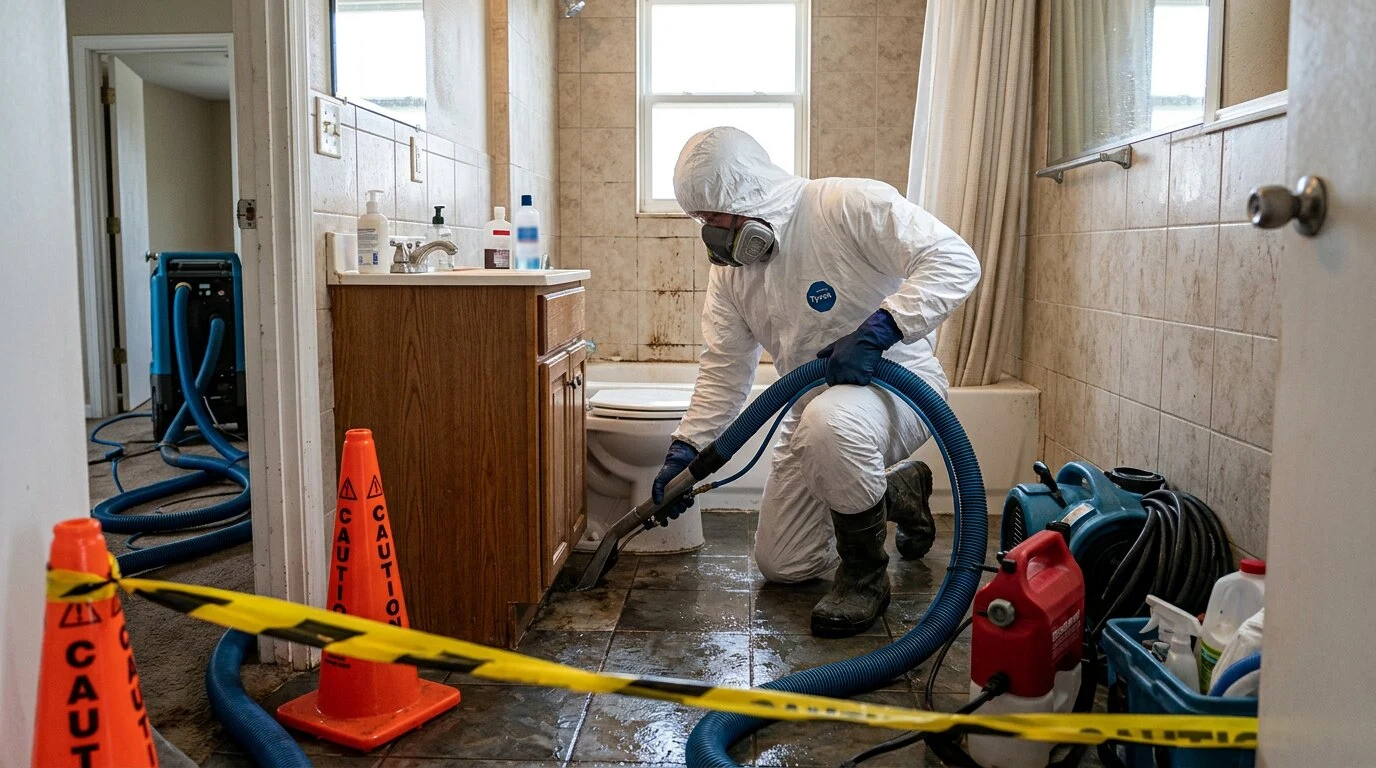
We're a Tampa-based water damage restoration crew that responds 24/7 to storm flooding, burst pipes, roof leaks, and sewage backups anywhere in the Tampa Bay area. Every job follows IICRC S500 drying and water-category protocols, with moisture readings documented from first extraction to final dry-standard confirmation — not a visual guess that a room "looks dry."
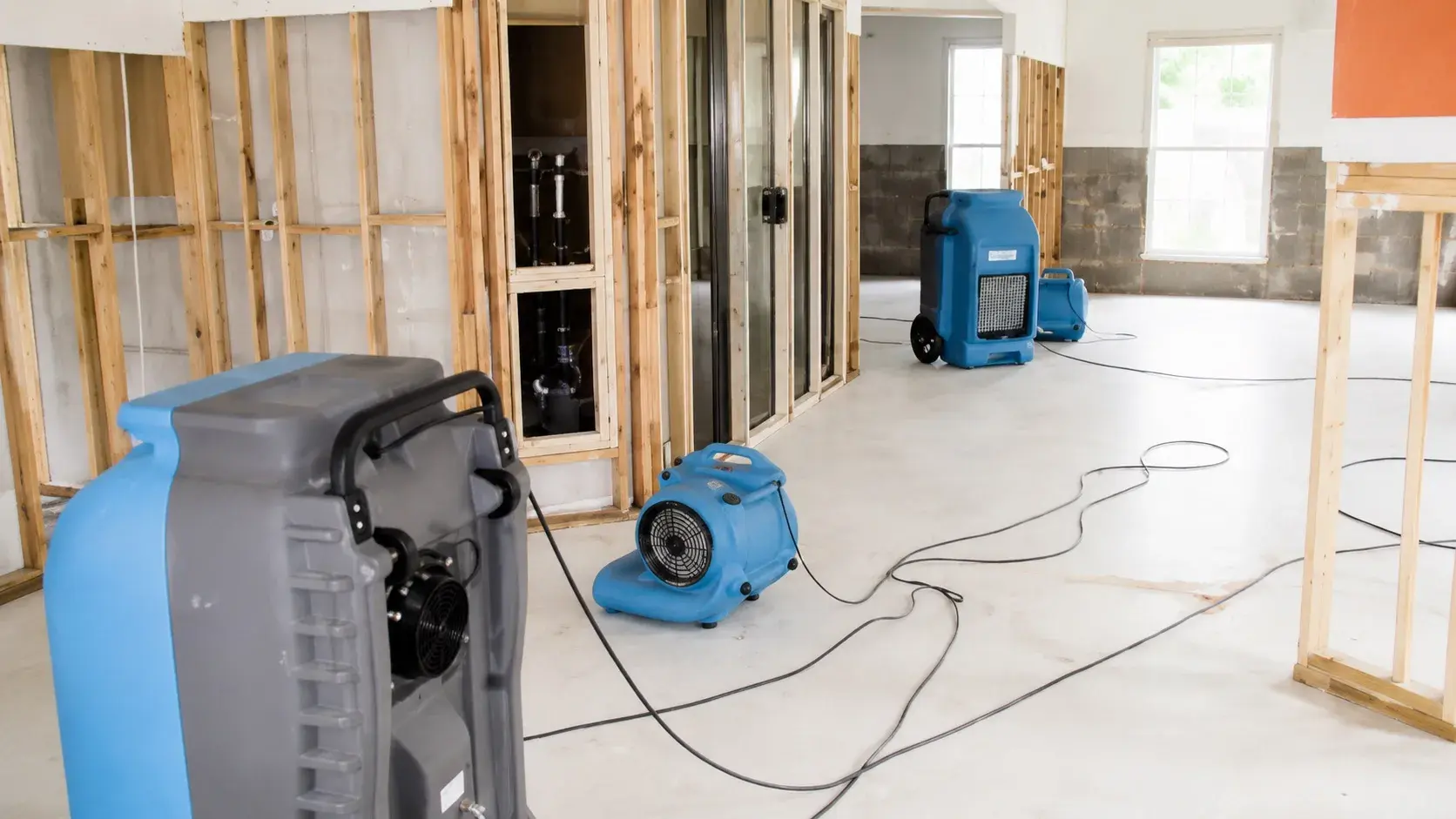
Because mold can start colonizing wet materials in Tampa's humidity within 24 to 48 hours, speed matters as much as technique. We show up fast, extract water immediately, and get industrial drying equipment running before a water loss has a chance to become a mold problem too.
Why Tampa Homes Flood Differently Than Most of the Country
Tampa's flood risk isn't generic — it's shaped by this specific bay. Tampa Bay is a large, shallow estuary sitting in front of an unusually flat, gradually sloping stretch of Gulf continental shelf that extends up to 150 miles offshore in places. That shape lets storm surge build and push inland instead of dissipating the way it would off a steeper coastline, which is why meteorologists consistently rank Tampa Bay among the most surge-vulnerable metro areas in the U.S. — and why a storm doesn't need to hit Tampa directly to flood it. Hurricane Helene made landfall in the Big Bend, more than 150 miles away, and still pushed record storm surge into low-lying Tampa Bay neighborhoods.
On top of surge risk, near-daily summer sea-breeze thunderstorms and a May–October rainy season that carries roughly 60% of the year's total rainfall mean flash flooding from ordinary heavy rain is common even without a named storm. And because almost every home here — from a 1920s Hyde Park bungalow to a new build in Westshore — sits on a slab-on-grade foundation with no basement to absorb water first, intrusion goes straight into the living space.
Since the 1921 Hurricane, Tampa Bay Has Been Building Up Its Own Risk
Tampa Bay hasn't taken a direct major hurricane hit since 1921 — over a century of population and development growth along the shoreline with no direct-hit reset, which meteorologists and emergency officials regularly point to as a reason the region carries so much property value sitting in high-risk surge zones today. The 1921 storm itself pushed 10 to 12 feet of surge into the bay and flooded Bayshore Boulevard and the interbay neighborhoods; more recently, Hurricane Idalia in 2023 and Hurricane Helene in 2024 both produced record or near-record surge at Tampa Bay tide gauges without making direct landfall on the bay itself, flooding areas like Davis Islands, downtown St. Petersburg, Clearwater, and the Bayshore corridor.
We've responded to water damage from all of it — surge flooding in low-lying South Tampa, wind-driven roof leaks after tornado-spawning storms like Milton, and the routine burst pipes and AC condensate failures that happen every summer regardless of what's in the tropics.
What Our Customers Say
“Storm surge from Helene got into our first floor even though we're not right on the water. They had a crew out fast, pumped everything out, and walked us through the moisture readings every day until it was actually dry. Not just 'looks good, we're done.'”— Renee A., South Tampa
“Found out our slab had a hidden leak that had been running for who knows how long. They coordinated with a plumber to find the actual source instead of just drying it and leaving, which is exactly what we needed.”— Miguel D., Riverview
“Our HOA needed documentation after a shared pipe burst affected three units. They handled the whole thing, gave us clean records for the insurance claim, and were easy to work with around residents' schedules.”— Carol S., St. Petersburg
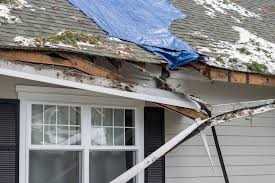
“Roof leak during a summer storm turned into a ceiling stain two rooms away and we had no idea where the water was actually coming from. They traced it back to the real source instead of just patching the visible spot.”— James T., Brandon
“Called at 2am after our water heater failed and flooded the hallway. Someone actually answered and had a crew here within the hour. That kind of response time matters when water is actively spreading.”— Diane K., Clearwater
Frequently Asked Questions
How fast can you respond to an active water emergency in Tampa?
We offer 24/7 emergency response and prioritize active water intrusion calls, since standing water and wet materials create mold risk within 24 to 48 hours in Tampa's humidity. Call anytime, day or night, and we'll get a crew moving as quickly as possible.
Why is Tampa Bay so vulnerable to storm surge even from storms that don't make direct landfall here?
Tampa Bay's shallow, funnel-shaped geometry sits in front of an unusually flat, gradually sloping stretch of the Gulf continental shelf. That shape lets storm-driven water build and push inland rather than dissipate, which is why a large storm passing well offshore — or making landfall over 100 miles away, as Hurricane Helene did in 2024 — can still push record surge into low-lying Tampa Bay neighborhoods.
Do Tampa homes have basements that flood?
Almost never. Florida's high water table makes basements impractical, so the overwhelming majority of Tampa homes — older and newer alike — are built slab-on-grade. That means water intrusion goes straight into the living space rather than a basement, which is part of why fast extraction and drying matter so much here.
Will you work directly with my insurance company?
We document every job thoroughly with photos and moisture logs and communicate directly with your adjuster about the scope and progress of the restoration work. We're not a public adjuster, though — Florida licenses that role separately, and if you need help negotiating a complex claim, we can point you toward a licensed public adjuster rather than blur that line ourselves.
How do I know I'm hiring a legitimate local company and not an out-of-state storm chaser?
Ask for proof of Florida licensing and insurance, and be cautious of crews going door-to-door right after a storm with no local address or history. Florida's DBPR has actively pursued unlicensed contractors targeting storm-affected Tampa Bay homeowners after recent hurricanes. We're a licensed, local, Tampa-based company — happy to provide documentation before you hire us.
What's the difference between clean water and sewage (black water) damage?
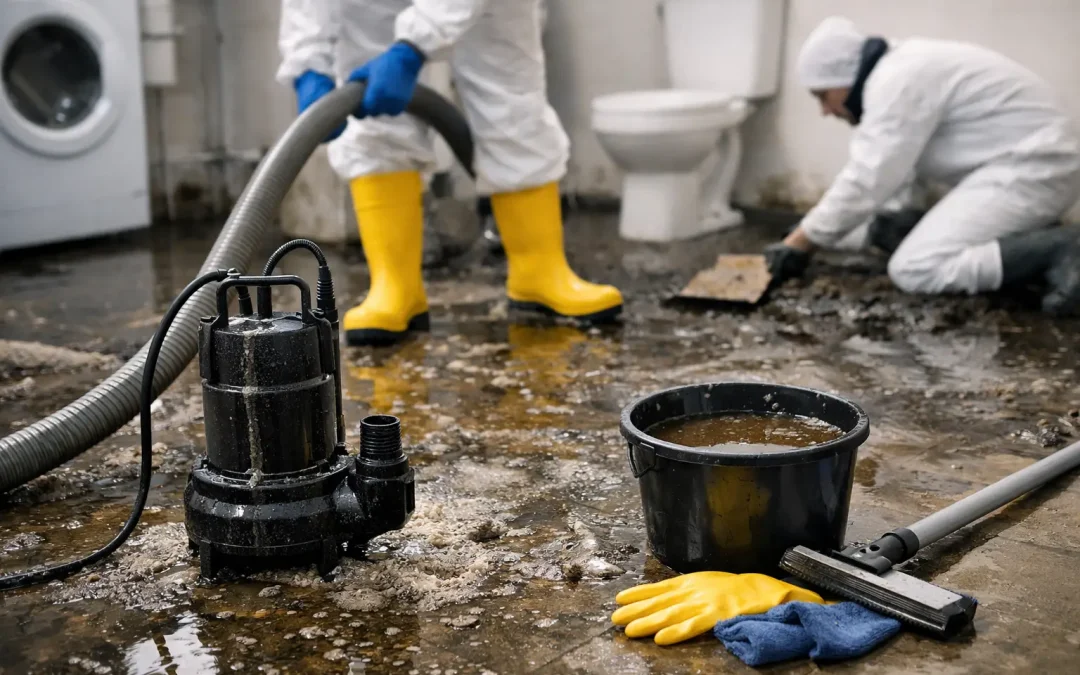
The IICRC S500 standard classifies water damage into categories based on contamination level. A clean supply-line leak is generally Category 1, while sewage backups, toilet overflows, and flood water that's picked up ground contamination are Category 3, or black water, requiring specialized PPE, containment, and disposal of contaminated porous materials rather than just drying them.
 772-291-5749