
๐Ÿ“ž Call for a Free Quote: 772-291-5749

Burst Pipe & Plumbing Leak Cleanup in Tampa, FL

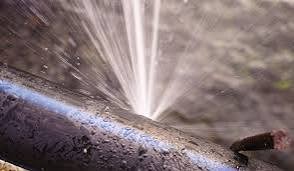
Underground supply pipe burst and spraying water, a common cause of hidden slab leaks in Tampa homes

Burst pipes in Tampa almost never come from freezing the way they do up north โ€” the usual culprits here are aging copper or polybutylene supply lines, failed water heater connections, washing machine hose failures, and irrigation system leaks that can travel under a slab before ever showing up as a wet spot indoors. Because most Tampa homes are slab-on-grade, a leak under the foundation can go undetected for weeks, quietly saturating subfloor and wall bases before anyone notices higher water bills or a warm patch on the floor.

We respond quickly to active leaks to limit how far water travels, then extract, dry, and document the affected area. For suspected slab leaks, we coordinate with a licensed plumber to locate and repair the actual source, since drying the damage without fixing the leak just means doing it again.

Whether it's a dramatic supply-line burst or a slow hidden leak finally discovered, we treat both with the same fast-response, fully-documented process.

๐Ÿ“ž Call 772-291-5749

Request This Service

* Indicates required field

Finding a Hidden Slab Leak Before It's Obvious

Because most Tampa homes are slab-on-grade, a leak under the foundation can saturate subfloor and wall bases for weeks before producing a visible wet spot or a noticeable water bill spike. We look for the quieter signs โ€” a warm patch on the floor, a faint mildew smell, baseboards that feel soft โ€” and use moisture meters to map how far water has actually traveled before starting extraction.

Coordinating With a Licensed Plumber

Drying the visible damage from a slab leak without fixing the actual source just means redoing the job in a few months. For suspected slab leaks we coordinate with a licensed plumber to locate and repair the source โ€” aging copper, failed polybutylene, a bad water heater connection, or an irrigation line leaking under the foundation are the most common causes we see โ€” before we consider the drying phase complete.

Supply-Line Bursts vs. Slow Leaks

A supply-line or washing machine hose burst is dramatic and fast: standing water, an obvious source, an immediate call. A slow leak is the opposite โ€” often discovered during a renovation or flooring replacement, with damage that's had far longer to spread. We treat both with the same fast-response extraction and full documentation, but a slow leak typically needs a wider moisture-mapping radius.

Signs You Might Have a Hidden Slab Leak

A slab leak doesn't always announce itself with a visible puddle. The signs we hear about most often are a water bill that jumps noticeably without a clear reason, a warm or unexplained damp patch on an otherwise cool tile or concrete floor (a sign of a hot-water-line leak), the sound of running water when every fixture in the house is off, and a musty smell developing in a room with no obvious source. Baseboards that feel soft or start separating from the wall in one specific area, rather than throughout a room, are another common tell. Any one of these on its own is worth investigating; more than one together is worth calling a plumber and us at the same time.

The Pipe Materials Behind Most Tampa-Area Failures

Older Tampa homes were often plumbed with polybutylene piping, a plastic supply-line material widely installed from the late 1970s through the mid-1990s before manufacturers discontinued it following widespread failures โ€” it degrades from the inside in a way that's hard to detect until it fails outright. Homes from the same era or earlier sometimes used copper, which holds up well structurally but is vulnerable to pinhole leaks from age-related corrosion and, in some cases, from local water chemistry. Newer homes are typically plumbed in PEX, a flexible plastic that's generally more failure-resistant than either of the above, though connection fittings can still fail. Knowing which material a home has doesn't change our cleanup process, but it's useful context for what a plumber is likely dealing with once we've dried the affected area.

Supply-Side Bursts vs. Drain-Side Leaks

A supply-line burst is pressurized water actively forcing its way out, which is why it's dramatic and fast โ€” it can put a significant volume of water into a space in a short time before anyone notices. A drain-side leak, by contrast, only produces water when the drain is actually in use, so a slow leak under a bathroom vanity or behind a washing machine can go on intermittently for months, since it's not under constant pressure. We treat the drying and documentation the same way for both, but a drain-side leak often means we're mapping a longer, slower spread pattern than a sudden supply-line failure produces, and we may need to look further from the apparent source than a burst pipe would suggest.

What Affects the Cost of a Burst Pipe Cleanup

Cost on a job like this comes down to a handful of factors: how long the leak ran before discovery (a fresh burst is generally cheaper to remediate than a slab leak that ran for weeks), how far water traveled and how many rooms or materials it affected, whether any drywall, flooring, or cabinetry needs removal and replacement versus simple drying, and whether the source itself requires a plumber to access it through a wall or slab. We provide a scope and estimate before starting work rather than an open-ended hourly arrangement, so you know roughly what to expect before equipment goes in.

Sudden Burst vs. Gradual Leak: Why Insurance Treats Them Differently

Most homeowner policies cover sudden and accidental water discharge โ€” a pipe that bursts without warning โ€” but many specifically exclude damage from a leak that occurred gradually over time, on the theory that ordinary maintenance should have caught it. That distinction matters more than people expect: the same amount of water damage can be covered or denied depending on whether an adjuster determines the leak was sudden or gradual, which is part of why thorough, dated documentation of when we found the source and what condition it was in matters so much on these claims. We document what we observe about the leak's likely duration honestly, since misrepresenting that to help a claim isn't something we do.

A Simple Water-Meter Test You Can Do While Waiting for Us

If you suspect a hidden leak but aren't sure, shutting off every fixture and appliance that uses water, then checking your water meter's leak indicator (a small triangular or spinning dial on most meters) a few minutes later, is a genuinely useful diagnostic step almost anyone can do without special tools. If that indicator is still moving with everything off, water is going somewhere it shouldn't be, even if you can't see it yet. It won't tell you where the leak is, but it confirms one exists and roughly how significant it is, which is useful information to have ready when you call a plumber or us.

Areas We Serve

Proudly providing water damage restoration across the region:

Get Burst Pipe & Plumbing Leak Cleanup in Tampa Today

Fast response, upfront pricing, and friendly local pros. Call now for a free quote.

๐Ÿ“ž Call 772-291-5749