
๐Ÿ“ž Call for a Free Quote: 772-291-5749

Roof Leak & Ceiling Water Damage in Tampa, FL

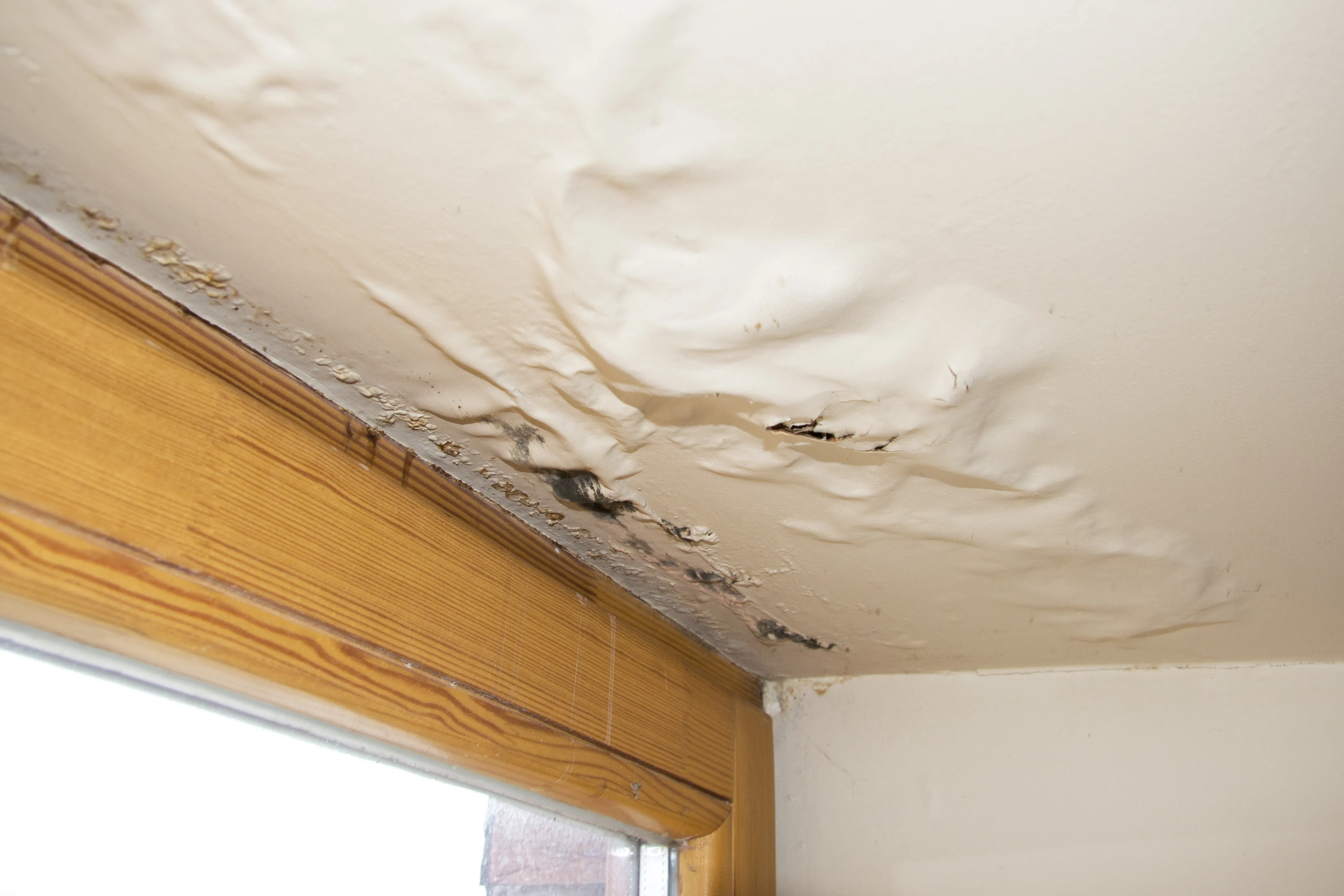
Water-stained ceiling corner with bubbling paint from a roof leak in a Tampa home

Near-daily summer thunderstorms and regular tropical activity mean Tampa roofs take a beating, and even a small area of storm damage โ€” a lifted shingle, failed flashing, a punctured vent boot โ€” can let water travel through the attic and show up as a ceiling stain rooms away from the actual entry point. We trace leaks back to their source rather than just treating the visible stain, because ceiling drywall that looks locally damaged often has water that's already spread into insulation and framing.

We extract and dry affected ceiling, attic, and wall cavities, and coordinate the roof repair scope with your roofer or insurance adjuster so the water intrusion doesn't just recur with the next storm.

After any named storm that brings sustained wind and rain to the Tampa area, this is consistently one of our highest-volume call types โ€” and one where fast response matters, since a ceiling that stays wet is a mold risk sitting directly above living space.

๐Ÿ“ž Call 772-291-5749

Request This Service

* Indicates required field

Tracing a Leak Back to Its Real Entry Point

A ceiling stain rarely marks where water actually entered the roof. Near-daily summer thunderstorms and regular tropical activity mean water can travel along roof decking and truss framing for several feet before dripping through drywall rooms away from a lifted shingle, a punctured vent boot, or failed flashing. We trace the path through the attic rather than only treating the visible stain.

What's Hiding in the Attic and Wall Cavities

Ceiling drywall that looks locally damaged often means insulation and framing above it have already absorbed significant water. We extract and dry the ceiling, attic space, and any affected wall cavities together, since drying only the visible ceiling surface while leaving saturated insulation in place is one of the fastest ways this type of damage turns into a mold problem in Florida's humidity.

Coordinating With Your Roofer or Adjuster

We handle the water-damage side; the roof repair itself needs a roofer, and we coordinate scope and timing with them or with your insurance adjuster so interior drying lines up with when the actual leak source gets fixed. After any named storm with sustained wind and rain, this is consistently one of our highest-volume call types.

Tampa's Common Roofing Types and How Each One Fails

Asphalt shingle roofs, the most common type on Tampa single-family homes, typically fail at lifted or missing shingles, cracked pipe boots, or nail pops that let water track underneath the shingle layer. Tile roofs โ€” common on newer and higher-end construction โ€” rarely fail at the tile itself, since tile is durable, but at the underlayment beneath it, which can degrade with age or storm damage while the tiles on top still look intact from the ground. Flat and low-slope membrane roofs, common on commercial buildings and some condos, fail differently again โ€” usually at seams, flashing, or ponding water that finds a weak spot over time rather than a single dramatic puncture. Knowing which type of roof is involved changes where we expect to find the water's actual point of entry.

Catching a Slow Leak Before It Becomes a Ceiling Stain

By the time a ceiling stain is visible, water has usually already been present in the attic space for some time โ€” a stain is a symptom, not the earliest sign. Musty odors in an upstairs room, small brown spots on ceiling drywall that come and go with rain, and visibly damp or matted attic insulation during a routine inspection are all earlier indicators worth acting on before a full stain and sag develop. Homeowners who have roof inspections done after major storms, even without visible interior damage, catch a meaningful share of leaks before they progress to the ceiling-damage stage we usually get called for.

Insulation: When It Needs Replacing, Not Just Drying

Wet attic insulation doesn't always need full replacement, but it often does โ€” fiberglass batt insulation loses much of its effectiveness once compressed by water even after it technically dries, and cellulose insulation can compact and mat in a way that permanently reduces its R-value. We assess wet insulation by type and extent of saturation rather than assuming a blanket answer, since replacing insulation that could have been dried in place is wasted cost, and drying insulation that needed replacement just delays the inevitable while running up equipment time for no real benefit.

Roof Age and the Wear-vs-Storm-Damage Question

Insurance disputes over roof leaks often come down to whether an adjuster determines the damage resulted from a specific storm event (typically covered) or from ordinary wear and age-related deterioration (typically not covered, or subject to depreciation). An older roof near the end of its expected service life is more likely to face this scrutiny after a claim, even when a specific storm genuinely caused the failure. We can't settle that determination โ€” it's between you, your roofer, and your insurance company โ€” but our dated photo documentation from the first visit is often useful evidence either way, since it captures conditions before anyone starts arguing about cause.

Emergency Tarping Before the Permanent Roof Repair

When a roof is actively letting water in and a permanent repair can't happen immediately โ€” because of contractor scheduling, material availability, or a wider storm-response backlog โ€” a temporary tarp or emergency dry-in can stop the bleeding while the real fix gets scheduled. We coordinate with your roofer on this when it applies, since there's no point drying a ceiling and wall cavity thoroughly if the same storm's next rain event is just going to re-wet it through an unpatched hole. Getting a tarp up fast is sometimes the single most cost-effective step in the entire claim, since it caps how much additional interior damage accumulates while everyone else's schedule catches up.

Why We Photograph the Attic, Not Just the Ceiling

A ceiling stain photo alone rarely tells the full story of a roof leak, so we photograph the attic space itself โ€” the decking, the insulation, the framing near the entry point โ€” as part of every roof-leak documentation package. That attic-level documentation is often what actually convinces an adjuster of the extent of damage, since a small ceiling stain can sit below a much larger area of saturated decking and insulation that isn't visible from inside the living space at all.

Areas We Serve

Proudly providing water damage restoration across the region:

Get Roof Leak & Ceiling Water Damage in Tampa Today

Fast response, upfront pricing, and friendly local pros. Call now for a free quote.

๐Ÿ“ž Call 772-291-5749