๐Ÿ“ž Call for a Free Quote: 772-291-5749

Sewage & Black Water Cleanup in Tampa, FL

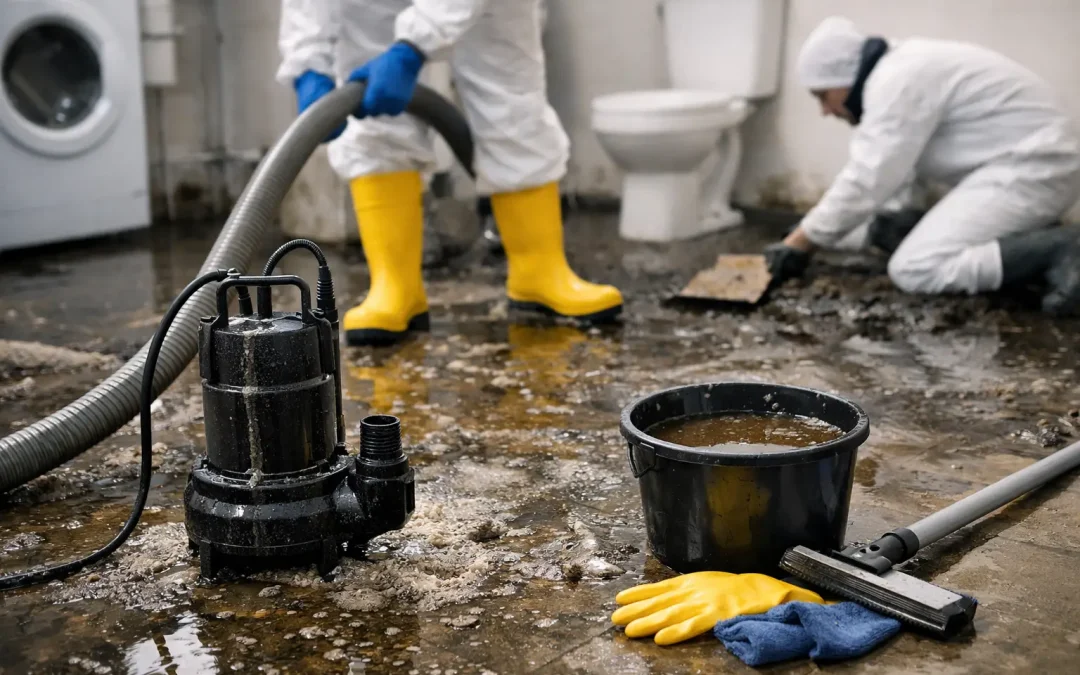
Technicians in protective suits and boots extracting Category 3 sewage water from a bathroom

Sewage backups, toilet overflows, and flood water that's picked up ground contamination all fall into what the IICRC S500 standard classifies as Category 3, or "black water" โ€” water containing pathogens that requires different handling than a clean burst-pipe leak. We treat these calls with the appropriate PPE, containment, and disposal protocols, removing porous materials that contacted contaminated water rather than attempting to clean and save them.

This is a common call after storm surge and heavy flooding in Tampa, since floodwater picks up contamination from streets, storm drains, and septic or sewer system backflow well before it reaches a home. It's also a routine (non-storm) issue when a main sewer line backs up into a slab-on-grade home with nowhere for the water to go but the living space.

After contaminated materials are removed, we disinfect affected surfaces and verify the space is safe before beginning structural drying.

๐Ÿ“ž Call 772-291-5749

Request This Service

* Indicates required field

Category 3 Water: What Gets Removed vs. What Can Be Saved

The IICRC S500 standard classifies sewage backups, toilet overflows, and contaminated floodwater as Category 3, or "black water." Porous materials that contact it โ€” carpet padding, drywall below the water line, particleboard cabinetry โ€” get removed and disposed of rather than dried and reused, since they can't be reliably disinfected. Non-porous materials like tile and solid wood can often be cleaned and saved instead.

PPE, Containment, and Disposal Protocols

Black water jobs require different handling than a clean-water leak: crews work in appropriate PPE, contain the affected area to limit cross-contamination to unaffected rooms, and follow disposal protocols for removed materials rather than treating them like ordinary demolition debris. We disinfect all affected surfaces and verify the space is safe before any structural drying equipment goes in.

Common Call Triggers We See in Tampa

Two patterns account for most of our Category 3 calls here: storm surge and heavy flooding that picks up contamination from streets, storm drains, and septic or sewer backflow before it ever reaches a home, and main sewer-line backups into slab-on-grade homes that have nowhere for the water to drain but the living space. Both get the same contamination-first response, storm or no storm.

The Pathogens We're Actually Protecting Against

Category 3 water isn't dangerous just because it's unpleasant to be around โ€” it can carry bacteria like E. coli, viruses, and parasites depending on the source, and sewage in particular can contain pathogens capable of causing serious illness with direct contact or even inhalation of aerosolized particles during cleanup. That's the actual reason the IICRC S500 standard treats black water so differently from a clean supply-line leak: the health risk, not just the odor or the mess, drives every protocol we follow on these jobs. We treat any water we can't positively identify as clean โ€” including floodwater with an unknown contamination history โ€” with the same caution as confirmed sewage, since guessing wrong in the direction of under-protecting isn't a risk we're willing to take on a customer's behalf.

PPE and Site Containment, Step by Step

Crews on a Category 3 job wear full protective suits, rubber boots, and appropriate respiratory protection depending on the extent of contamination, and we set up physical containment โ€” poly sheeting and negative air pressure when warranted โ€” to keep contaminated air and materials from spreading into unaffected parts of the structure. Anyone not directly working the affected area stays out of it until cleanup and disinfection are complete, including the homeowner, both for their safety and to avoid tracking contamination into clean rooms. Equipment that touches contaminated water gets disinfected before it's used anywhere else on the property, and disposable materials โ€” rags, containment sheeting, disposable coveralls โ€” are bagged and disposed of rather than reused.

How We Disinfect After Contaminated Materials Are Removed

Once porous materials that contacted black water are removed and disposed of, we apply EPA-registered disinfectants to all remaining affected surfaces โ€” framing, subfloor, non-porous flooring, and any fixtures that stayed in place โ€” following label-specified dwell times rather than a quick wipe-down. We follow that with air scrubbing using HEPA filtration to address airborne particles the disinfection step doesn't reach directly, and in some cases a fogging treatment for hard-to-reach cavities. Only after we've verified the space is clean do we bring in drying equipment, since running air movers through a still-contaminated space just spreads whatever's left in the air more efficiently.

Septic Backups vs. Municipal Sewer Backups

A backup from a home's own septic system and a backup from a municipal sewer line both fall under Category 3, but they don't always behave the same way. A septic backup is usually confined to the fixtures closest to the failure โ€” often a single bathroom โ€” and tends to be a sign the tank needs pumping or the drain field has failed, which needs its own separate repair alongside our cleanup. A municipal sewer backup can affect multiple fixtures across a home simultaneously if the blockage is in the city's main line rather than the home's own plumbing, and in a multifamily building it can back up into more than one unit at once through shared plumbing stacks. Either way, we recommend a plumber or the utility (for a confirmed municipal issue) address the actual cause before we consider the affected area's remediation complete.

Sewage Backup Coverage Is Often a Separate Insurance Line Item

Many homeowner policies exclude sewer and drain backup from standard water damage coverage and require a separate endorsement โ€” sometimes called "backup of sewer or drain" coverage โ€” purchased in addition to the base policy. We always recommend checking with your insurance company early in a sewage cleanup, since coverage here is genuinely inconsistent between policies in a way that ordinary water damage usually isn't. We document these jobs just as thoroughly regardless of coverage status โ€” photos, disposal records, and a written scope โ€” so you have what you need whether the claim goes through smoothly or requires more back-and-forth with your carrier.

Why the Smell Can Linger After Cleanup

A lingering odor after a sewage cleanup usually means either porous material that should have been removed got missed, or contamination worked its way into a spot the initial scope didn't fully capture โ€” inside a wall cavity, under cabinetry, or beneath flooring that looked salvageable but wasn't. We treat a persistent smell after we've completed a job as something worth a follow-up visit rather than something to mask with an air freshener, since odor is often the most reliable early signal that contamination wasn't fully addressed the first time.

Areas We Serve

Proudly providing water damage restoration across the region:

Get Sewage & Black Water Cleanup in Tampa Today

Fast response, upfront pricing, and friendly local pros. Call now for a free quote.

๐Ÿ“ž Call 772-291-5749