Home › Services › Contents Restoration & Pack-Out
Contents Restoration & Pack-Out in Tampa, FL
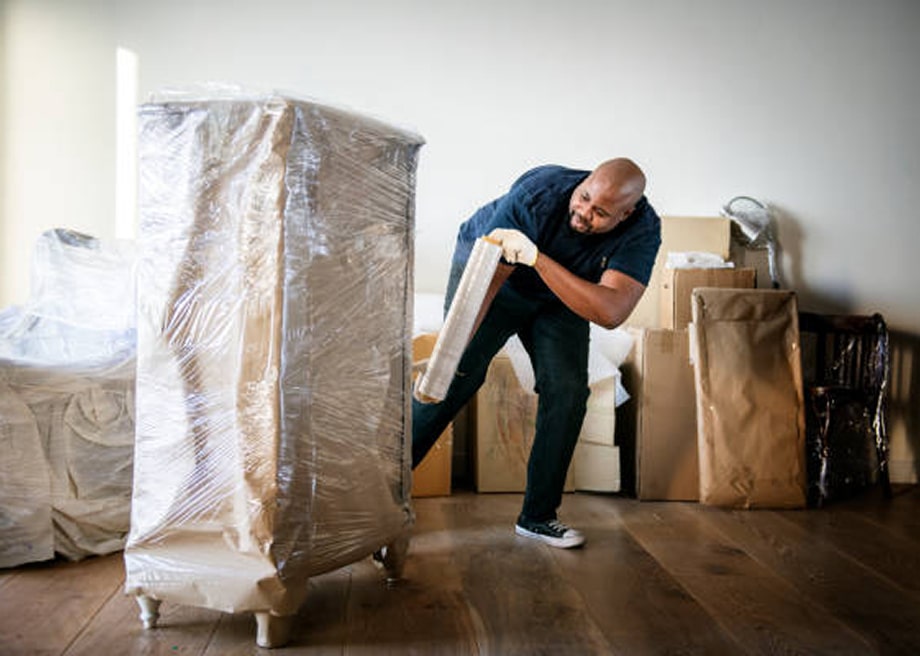
When a room or entire home has significant water damage, leaving furniture, boxes, and belongings in place slows drying and puts those items at continued risk of damage and mold. We inventory and pack out affected contents, clean and treat what can be salvaged, and store items securely until the space is fully dried and repaired.
Every item is documented with photos as part of the pack-out process, which supports your insurance claim and gives you a clear record of what was removed and its condition.
Once structural repairs are complete, we coordinate the move-back so you're not managing storage logistics on top of everything else a water loss already requires.
📞 Call 772-291-5749
Request This Service
* Indicates required field
What Gets Packed Out vs. Dried in Place
Not everything in an affected room needs to leave — large furniture that isn't saturated can sometimes be dried in place with the room, while anything sitting in or near standing water, along with porous items like upholstery, books, and boxed belongings, gets packed out so the space can dry fully without them slowing the process.
How We Clean and Treat Salvageable Items
Packed-out contents get assessed individually rather than as a blanket write-off: cleanable items are treated for both visible damage and odor, and we're upfront when something isn't salvageable rather than storing it indefinitely on the chance it might be. Every item is documented with photos before it leaves the property, supporting your insurance claim.
Storage and Move-Back Logistics
Salvageable contents are stored securely until the space is fully dried and any needed structural repairs are complete, and we coordinate the move-back so you're not managing storage logistics or a second moving day on top of everything else a water loss already requires.
How We Inventory Contents Before Anything Leaves the Property
Before a single item leaves the property, we photograph and catalog it — room by room, item by item where practical — creating a written and photographic inventory that becomes the reference document for the entire pack-out. That inventory notes each item's condition at the time of removal, which protects you if a dispute ever comes up later about what was damaged before we arrived versus what happened during handling. For a large loss with hundreds of items, this cataloging step takes real time upfront, but it's what makes the eventual move-back and any insurance settlement conversation far more straightforward than trying to reconstruct what was where from memory months later.
Cleaning Methods We Use for Different Material Types
Upholstered furniture gets assessed for both visible soiling and whether water has reached the internal padding, since surface cleaning alone doesn't address contamination that's worked its way inside a cushion. Textiles — clothing, linens, curtains — are typically laundered using specialized techniques and, when odor or contamination is a concern, an ozone or hydroxyl treatment rather than standard detergent alone. Hard goods like wood furniture get cleaned and, if water exposure was limited, refinished rather than replaced, since a scratched or slightly water-marked wood surface is often salvageable in a way that upholstery or paper goods usually aren't. We match the cleaning method to the material and the type of exposure rather than running everything through one blanket process.
Ozone and Hydroxyl Treatment for Persistent Odor
Smoke, sewage, and mold-related odors on contents don't always respond to standard cleaning, which is where ozone and hydroxyl generators come in — both work by breaking down odor-causing molecules at a chemical level rather than masking them with fragrance. Ozone treatment is more aggressive and requires the space, or a sealed treatment chamber for contents, to be unoccupied during application, while hydroxyl treatment works more gradually but can run in occupied spaces. We choose between them based on the severity of the odor, the type of items involved, and whether the treatment needs to happen on-site or in a controlled facility.
How We Decide What's Salvageable and What Isn't
We're upfront when an item isn't salvageable rather than storing it indefinitely on the chance it might improve, since holding onto something that's genuinely a total loss just delays your insurance settlement and gives false hope. The general line we work from: non-porous items that were cleaned promptly are usually salvageable, while porous items exposed to Category 2 or 3 water for any meaningful length of time usually aren't, regardless of how clean they look after washing, since contamination and odor can persist below the visible surface. We document our reasoning on borderline items with photos, so if you or your adjuster want a second opinion, there's a clear record of the item's condition to work from.
Climate-Controlled Storage While the Space Is Repaired
Salvageable contents get stored in a climate-controlled facility rather than an uncontrolled warehouse or trailer, since Tampa's heat and humidity can do more damage to stored furniture, electronics, or documents over a few weeks than the original water event did, if storage conditions aren't managed. We track what's in storage against the original inventory, so nothing gets misplaced or forgotten during what can sometimes be a multi-week or multi-month structural repair timeline.
Typical Pack-Out to Move-Back Timeline
How long contents stay in storage depends entirely on the structural repair timeline, not on the contents work itself — pack-out and initial cleaning typically take days, while storage duration is tied to how long drying, repairs, and reconstruction take on the affected space. We stay in communication about where things stand rather than going quiet during the storage period, and we coordinate the move-back date directly with whoever's managing the structural repair, so contents come back once the space is actually ready rather than sitting in a truck outside a home that isn't finished yet.
Working With Contents Adjusters on a Personal Property Claim
Many insurance claims split structural damage and personal property (contents) into separate line items, sometimes handled by different adjusters or even different processes within the same claim. Our itemized inventory and documented condition notes are built to work directly with a contents adjuster's process, giving them the item-level detail they typically need to process a personal property claim without you having to reconstruct a room's contents from memory.
How We Keep Track of What Goes Where
On a multi-room pack-out, we tag boxes and larger items by originating room and inventory number rather than relying on a generic label, so that when contents come back after repairs, they go back to the right space instead of turning move-back day into a guessing game. This kind of tracking matters more than it might sound like on a job affecting several rooms at once, where dozens of similar-looking boxes could easily get mixed up without a system tying each one back to its place in the inventory and its original location in the home.
Areas We Serve
Proudly providing water damage restoration across the region:
- Tampa, FL
- St. Petersburg, FL
- Clearwater, FL
- Brandon, FL
- Riverview, FL
- Temple Terrace, FL
- Wesley Chapel, FL
- Lutz, FL
- Plant City, FL
- Valrico, FL
- Oldsmar, FL
- Largo, FL
Get Contents Restoration & Pack-Out in Tampa Today
Fast response, upfront pricing, and friendly local pros. Call now for a free quote.
📞 Call 772-291-5749